

EXECUTIVE SUMMARY
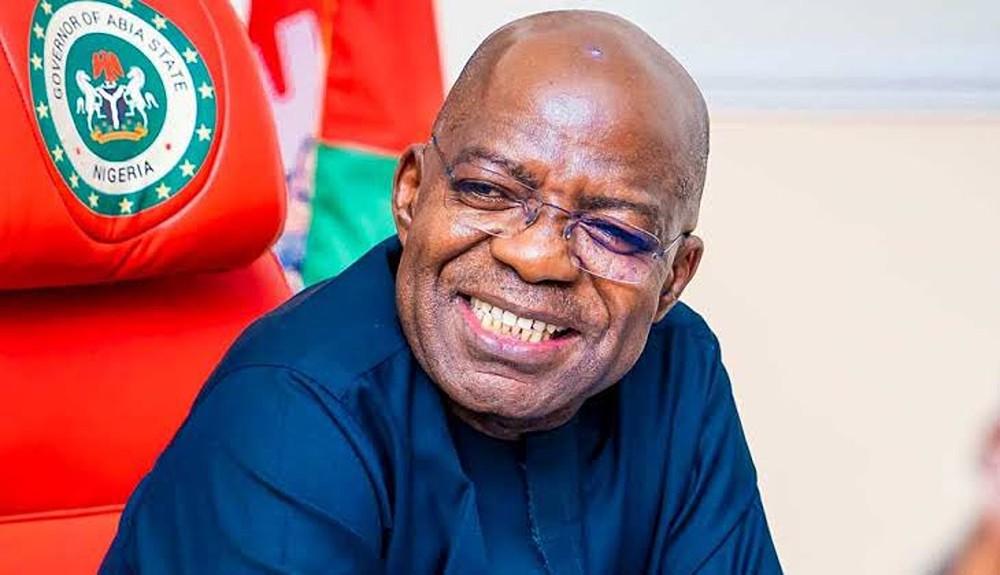
Abia State, located in Nigeria's southeast, is undergoing a transformation that reflects the emerging model of subnational development in Africa. With a population of over three million, a growing industrial base, and a reformist leadership under Governor Alex Otti, Abia is charting a path from stagnation to strategic growth. Infrastructure development, economic revival, agricultural investment, healthcare reform, and cultural resurgence converge here to form a compelling narrative of governance, innovation, and resilience.
FROM ABA TO THE WORLD: THE MAKER'S MOVEMENT REAWAKENED
Inside the bustling Ariaria International Market, Chinedu, a 29-year-old shoemaker, slides his finished pair of leather loafers into a box stamped, "Made in Aba." Once synonymous with informal manufacturing, Aba is redefining its identity. Thanks to road improvements and better access to raw materials, entrepreneurs like Chinedu now ship products to Ghana, Kenya, and even Europe.
His story is emblematic of a wider change sweeping Abia: a renewal built on empowering its people.
A VISIONARY AT THE HELM: GOVERNOR ALEX OTTI'S REFORMIST BLUEPRINT
Sworn in as Governor in 2023, Dr. Alex Otti brought to the table a legacy from Nigeria's banking sector, armed with a technocratic vision and fiscal discipline. A former Executive Director at First Bank and Managing Director of Diamond Bank, Otti’s corporate background shaped his strategic thinking and deep understanding of financial systems, risk, and reform.
His approach to governance is rooted in three principles: transparency, cost-effectiveness, and inclusive growth. By refurbishing the Nnamdi Azikiwe State Secretariat at a fraction of projected costs, saving the state over ₦1 billion, Otti sent a clear message: governance must be both efficient and ethical.
Beyond fiscal prudence, Otti has championed energy innovation. He midwifed the Geometric Power Systems initiative in partnership with Professor Barth Nnaji, a project that has granted Abia its first consistent power supply—a game-changing development for industry and residential life.
Otti’s administration is also making bold moves in infrastructure and identity. He has performed groundbreaking ceremonies for the Abia International Airport, a FIFA-standard stadium, and the Games Village at Nsulu, projects designed to expand the state’s global connectivity, sporting culture, and tourism potential.
Under his leadership, over 200 healthcare centers have been revitalized, roads once riddled with potholes are being reconstructed, and the state is courting industrial investors with unprecedented seriousness.
INFRASTRUCTURE: THE FOUNDATION OF A NEW ECONOMY
Abia’s infrastructural upgrade isn’t cosmetic; it’s foundational. Roads in key commercial corridors—especially in Aba and Umuahia—have seen reconstruction that connects markets to ports and producers to buyers.
Major projects include:
• Reconstruction of Port Harcourt Road, Aba
• Dualization of Ossah Road in Umuahia
• Refurbishment of public buildings including the Michael Okpara Auditorium
The emphasis is clear: development must serve the everyday needs of citizens.
INDUSTRIAL AND AGRICULTURAL STRIDES
With federal approval for a modular refinery at the Abia Industrial and Innovation Park, the state is moving toward energy independence and industrial scale-up. This initiative alone is projected to create thousands of jobs and power small-scale manufacturers.
Agriculture, too, is receiving a boost. The state has implemented farmer support schemes that have resulted in a 25% increase in maize production. These investments are enhancing food security, improving rural livelihoods, and reducing youth migration.
HEALTHCARE: BUILDING TRUST IN PUBLIC SYSTEMS
The healthcare system is being reimagined, with over 20 new facilities constructed and more than 200 existing ones rehabilitated. The results? A 12% reduction in infant mortality and a 10% drop in maternal mortality within one year.
These are not just statistics. For new mothers like Adaora in rural Umunneochi, accessible healthcare is the difference between life and loss.
EDUCATION: CLASSROOMS OF THE FUTURE
Abia’s investment in education is bearing fruit. Over 500 classrooms have been built or renovated, and vocational programs are equipping young people with real-world skills. Primary school enrollment is up by 15% as parents regain faith in the public system.
In Umuahia, children now learn coding alongside traditional subjects. This blending of modern and local knowledge represents the soul of the Abia Renaissance.
CULTURE, TOURISM, AND DIASPORA CONNECTIONS
From the sacred Long Juju of Arochukwu to the cascading Ngwa Waterfalls, Abia is rich in natural and cultural heritage. The state is positioning itself as a destination for eco-tourists, history buffs, and the global African diaspora.
Events like the Abia Cultural Week and partnerships with Nollywood filmmakers are bringing the region’s stories to international screens. For returning diaspora, Abia offers reconnection, identity, and opportunity.
A CALL TO GLOBAL STAKEHOLDERS
To investors: Abia is open for business with clear policies, growing infrastructure, and an industrious population.
To tourists: The state offers an immersive cultural experience.
To the diaspora: This is your home, rebuilt and rising.
Governor Otti’s administration is proving that African subnational units can be centers of excellence, not just recipients of aid. With bold leadership and strategic planning, Abia is becoming a beacon in the West African sub-region.
Abia: Where Innovation Meets Tradition
A slogan, yes. But more so, a promise.
Tony-Mike Edozie writes on governance, innovation, and African development. He is a senior contributor to Boldwalk Magazine.
For a better experience in commenting on BoldWalk, please ensure you are logged in on our site before commenting or simply use any of your existing online accounts like google to sign-in. See the dropdown select Login option below.