

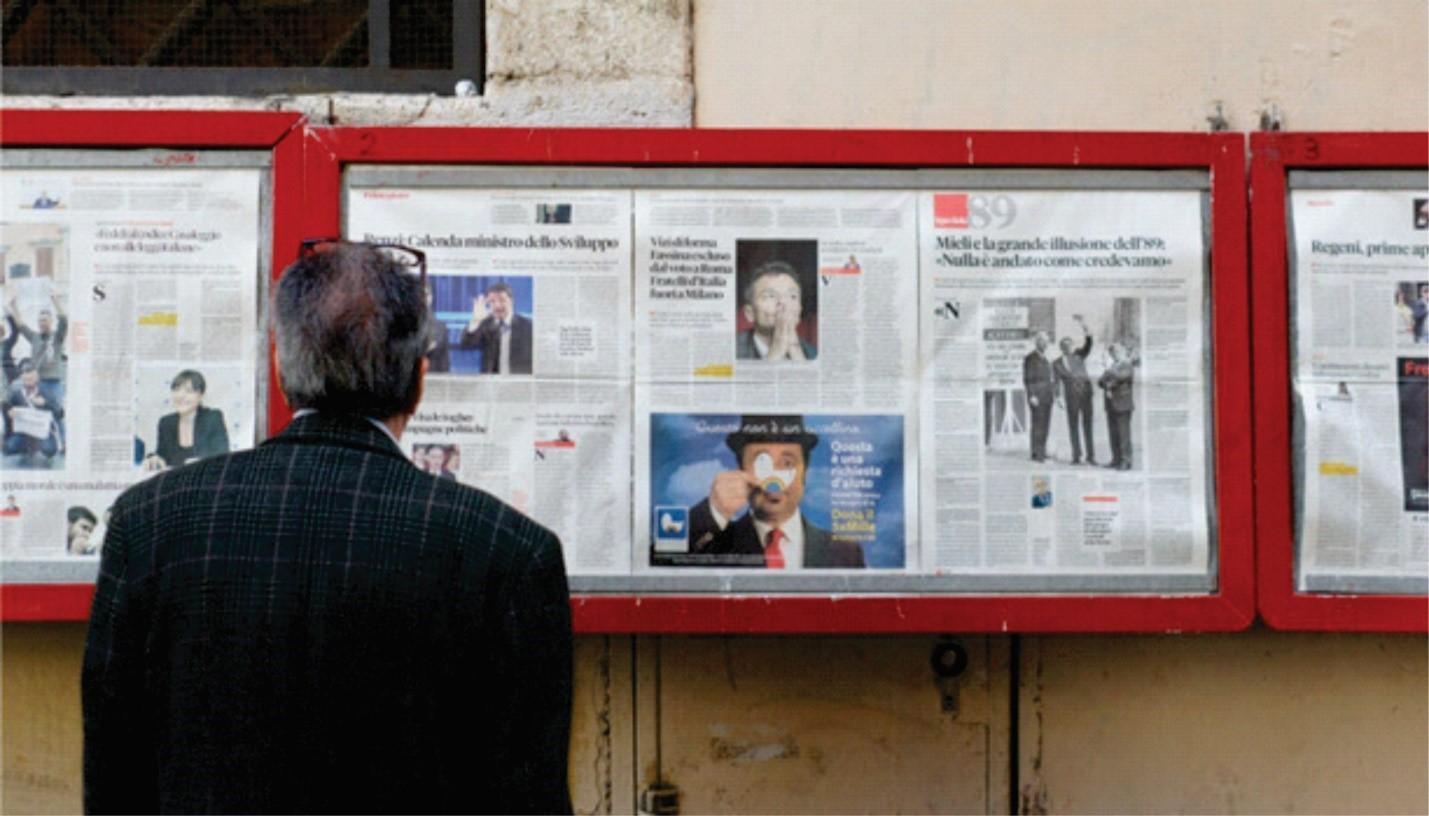
By Tony‑Mike Edozie | Boldwalk Magazine
In today's fast-paced, globally connected world, the media is more than just a messenger—it's a cultural architect, an educator, a watchdog, and a mirror to society. It shapes how we think, what we value, and how we act. With the rise of digital platforms and 24-hour news cycles, the importance of media in every aspect of our lives has grown significantly.
But with great influence comes great responsibility—on both sides. While the media informs, it also frames narratives. Our role as consumers? To engage critically, question intelligently, and never lose sight of the truth behind the headlines.
Media and Personal Awareness: Understanding the World Around Us
At its core, media serves as our primary source of information about the world. Whether it’s a breaking news alert, a trending social issue, or a feature story about a remote culture, media enables us to understand life beyond our immediate surroundings.
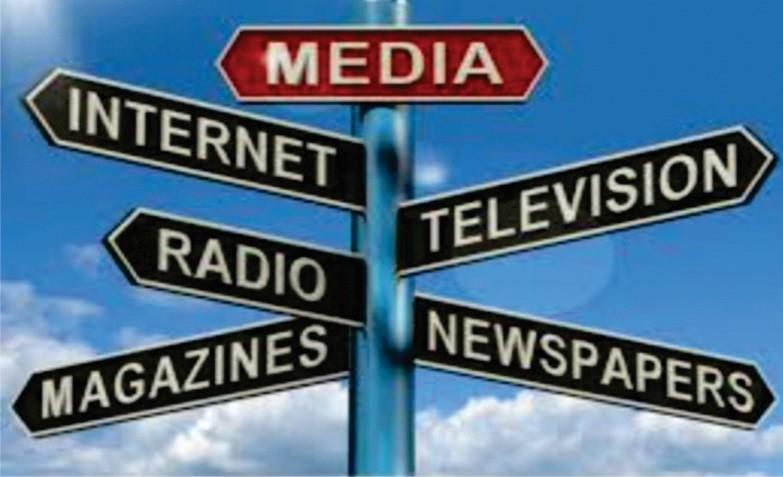
But here’s the catch: the media doesn’t just relay facts—it presents stories through a lens. Headlines are chosen, narratives are curated, and images are selected to evoke specific emotions. This makes media both powerful and potentially problematic.
That’s why developing a critical eye is essential. Media literacy—the ability to analyze and evaluate media content—empowers us to form independent opinions and make informed decisions.
Media’s Role in Shaping Reality
Media doesn't just reflect reality—it shapes it.
Take television, for instance. A successful talent show can spark a cultural phenomenon, inspiring thousands of young dreamers to chase instant fame. Social media influencers redefine beauty standards, lifestyle aspirations, and even political ideologies with a single post.
This isn't necessarily good or bad—but it’s proof of how media content molds our collective reality. What we see repeatedly, we begin to normalize. And what’s normalized often becomes our societal truth.
The challenge? To distinguish between representation and reality, and to understand how repeated narratives influence behavior, identity, and ambition.
The Educational Power of Media
In the classroom and beyond, media has become a powerful tool for learning. It makes education accessible, interactive, and engaging. But its true value lies in how it’s used.
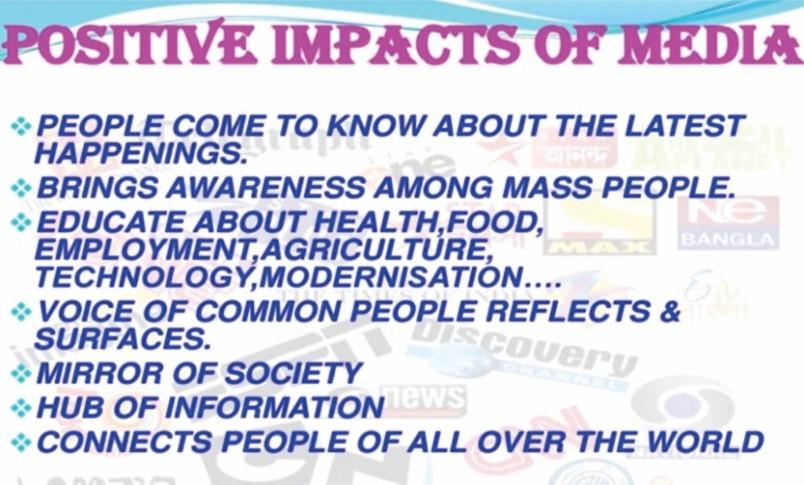
1. Developing a Critical Mindset
Media teaches young minds to explore beyond textbooks. By comparing viewpoints, dissecting arguments, and understanding bias, students develop intellectual independence. However, this only works if they're taught how to question what they see and hear.
2. A Gateway to Knowledge
From online tutorials to educational documentaries, the media opens doors to information across countless disciplines. For curious learners, it’s a treasure trove. For teachers, it’s a dynamic supplement to traditional instruction.
Still, this power demands proper guidance. Students must learn to distinguish credible sources from misleading ones, and to use information responsibly.
Media in Democracy: The Voice of the People
In democratic societies, the media plays a watchdog role, holding power to account and giving voice to the public.
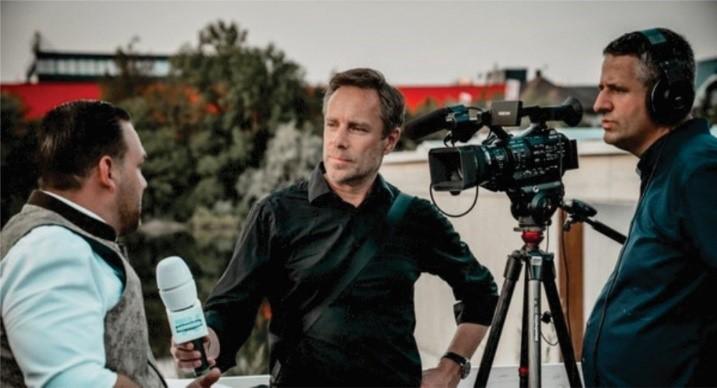
1. Access to Truth
A well-functioning democracy depends on an informed electorate. Media helps expose corruption, highlight social injustice, and bring transparency to governance. Journalists, when ethical and fearless, serve as the frontline defenders of democracy.
But not all media is impartial. In many cases, outlets align with political or economic interests. This underscores the importance of diverse media consumption and personal discernment when forming political opinions.
2. Public Participation and Political Engagement
Today, digital platforms allow citizens not only to consume news but also to participate in the conversation. Hashtags spark movements, viral content mobilizes protests, and social media allows real-time engagement with elected officials.
However, this new frontier also brings risks—misinformation, echo chambers, and algorithmic manipulation. That’s why democratic participation must go hand in hand with digital literacy.
Media’s Influence on Society: Trends, Values, and Change
Mass media has the unique ability to unite—or divide—entire communities. It amplifies issues, initiates debates, and reflects societal values. But more than that, it sets the agenda.
Whether it's a campaign for climate action, a public health announcement, or a viral video sparking conversations on race, the media is often the ignition point for social change.
1. Setting the Tone for Social Movements
Media exposure can elevate voices from the margins, spotlight injustice, and mobilize public support. Black Lives Matter, #MeToo, and climate strikes gained global momentum thanks to the media.
2. Driving Cultural Evolution
From language and fashion to gender roles and family dynamics, the media influences evolving norms. The increasing visibility of diverse identities in film, music, and digital platforms is changing how society understands itself.
Social Media: The New Frontline of Influence
The digital revolution has placed enormous power in the hands of individuals. As of 2025, over 5 billion people use social media globally. Platforms like Facebook, YouTube, TikTok, and Instagram are more than just entertainment—they’re ecosystems of influence.
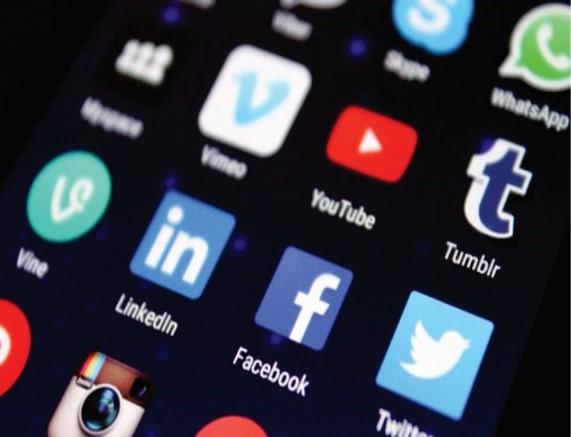
They connect us, inspire us, and sometimes mislead us.
Here are the current top five global platforms by user base:
1. Facebook – 2.9 billion users
2. YouTube – 2.6 billion users
3. WhatsApp – 2.4 billion users
4. Instagram – 2.3 billion users
5. TikTok – 1.8 billion users
These platforms redefine how we socialize, learn, work, and even vote. But with influence comes the responsibility to verify, respect, and protect.
Our Duty in the Age of Information
The media, in all its forms, is a double-edged sword. It can educate or deceive. Unite or divide. Empower or manipulate.
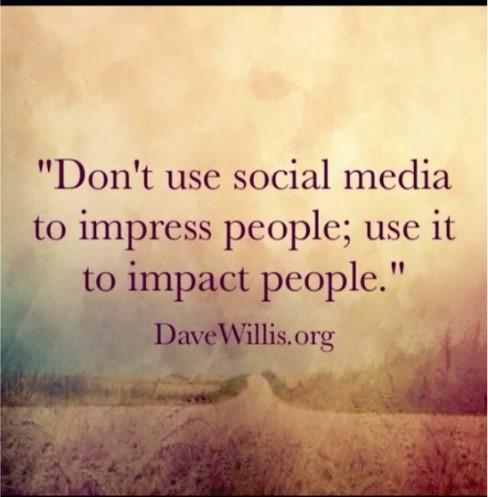
What matters is how we engage with it.
In this age of instant information, we must go beyond passive consumption. Let’s read deeply, question freely, and share responsibly. Let’s teach our children not just how to consume media—but how to challenge it.
Because ultimately, the media doesn’t just shape society—we shape the media
For a better experience in commenting on BoldWalk, please ensure you are logged in on our site before commenting or simply use any of your existing online accounts like google to sign-in. See the dropdown select Login option below.